
Among Sensex firms, Tech Mahindra, Infosys, Bajaj Finance, Bajaj Finserv, Eternal, Adani Ports, Hindustan Unilever and Bharat Electronics were the major laggards. However, Bharti Airtel, Axis Bank, Asian Paints and Titan were among the gainers.

This is the second-worst performance by the pack during this period over the last five years since CY20.

Among the Sensex constituents, Eternal, Trent, Bharti Airtel, Infosys, Tech Mahindra, UltraTech Cement, ICICI Bank, HDFC Bank, Bajaj Finance, Tata Consultancy Services, Bharat Electronics Ltd, Larsen & Toubro and Tata Motors Passenger Vehicles were the laggards. However, Tata Steel, Sun Pharmaceuticals, ITC, NTPC, Reliance Industries, HCL Technologies, PowerGrid, and Asian Paints were among the gainers.

Indian investors have seen their wealth erode by a staggering Rs 48.29 lakh crore since the West Asia war began on February 28, leading to a significant downturn in the BSE Sensex and NSE Nifty, driven by geopolitical tensions and rising crude oil prices.

In an eventful week ahead, stock market investors will take cues from major events like the US Federal Reserve's interest rate decision, the upcoming Union Budget and Q3 earnings, analysts said.

Indian equity markets closed higher, driven by gains in PSU bank, auto, and financial stocks, following the US Supreme Court's decision on tariffs. Sensex climbed 479.95 points to 83,294.66, and Nifty advanced 141.75 points to 25,713.
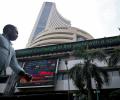
Benchmark stock indices Sensex and Nifty closed on a flat note in a choppy session on Wednesday as gains in PSU banks and auto shares were offset by losses in IT stocks.

Silver prices rallied sharply by Rs 15,000 to hit a lifetime high of Rs 265,000 per kg in the national capital on Monday, and gold advanced to a fresh record of Rs 144,600 per 10 grams, mirroring strong gains in the global markets.

The US Fed interest rate decision, trading activity of foreign investors and quarterly earnings from corporates would largely drive the momentum in the equity market this week, analysts said. Escalating tensions between India and Pakistan over the Pahalgam terror attack will also remain on investors' radar, they added.

'Geopolitics will be the most important driver of financial markets in 2025.'

Reliance Industries is expected to report largely flat performance for its fourth quarter (January-March, Q4) of FY26, with weakness in the oil-to-chemicals (O2C) business and muted retail growth likely to offset steady gains in the telecommunications segment.

Benchmark equity indices Sensex and Nifty tumbled more than 1 per cent on Friday due to across-the-board selloff, especially in metal, IT and commodity stocks, tracking sluggish global markets.

India's aviation sector is facing fresh turbulence, with rising fuel costs, the Ministry of Civil Aviation's free-seat directive, and geopolitical disruptions in West Asia clouding near-term earnings visibility.

Equity benchmark indices Sensex and Nifty experienced a significant decline, primarily driven by a selloff in IT stocks due to concerns about AI disruption and renewed worries over global trade.

For decades, multinational pharmaceutical companies and Indian drugmakers worked in ways that supported each other: MNCs brought innovation and brands, while Indian companies built scale through generics and cost efficiency. There was an important overlap - generic drugs - but this is shrinking fast. And the consequences are reshaping India's gigantic pharmaceutical market.

Foreign investors withdrew Rs 10,355 crore from the country's equity markets in the last four trading sessions this month due to sweeping tariffs imposed by the US on most nations, including India. The outflow occurred after a net investment of Rs 30,927 crore in the six trading sessions from March 21 to March 28. This infusion helped reduce the overall outflow for March to Rs 3,973 crore, according to data from the depositories.

'The danger is that when the music stops, the fall will be sudden, faster, and deeper than anyone expects,' warns Debashis Basu.

From the Sensex pack, Asian Paints, Tech Mahindra, Tata Consultancy Services, Bajaj Finserv, Adani Ports, HCL Technologies, Bharti Airtel, Infosys, Trent, Reliance Industries, UltraTech Cement, Sun Pharmaceuticals, Eternal, Titan and Bajaj Finance were the gainers. On the other hand, Tata Steel, Tata Motors Passenger Vehicles, Tata Motors Commercial Vehicles, Bharat Electronics, Kotak Mahindra Bank and PowerGrid were the laggards.

The rupee appreciated 53 paise to close at 89.67 against the US dollar on Friday, supported by corporate dollar inflows and easing crude oil prices. Forex traders said a positive trend in domestic equities and Brent crude oil prices hovering near $59 per barrel supported the domestic unit at lower levels.

Foreign investors have pulled out Rs 31,575 crore from the country's equity markets so far this month, in the wake of turbulence emanating from sweeping tariffs imposed by the US on most nations, including India. This came following a net investment of Rs 30,927 crore in the six trading sessions from March 21 to March 28. This infusion helped reduce the overall outflow for March to Rs 3,973 crore, according to data from the depositories.

Mutual fund industry extended its bull run in 2025, adding a staggering Rs 14 lakh crore to its asset base and pushing total AUM to a record Rs 81 lakh crore by November, powered by surge in retail participation and record SIP inflows. Venkat Chalasani, chief executive officer of AMFI, told PTI that the industry's outlook remains positive, with steady SIP inflows continuing to offset foreign portfolio investor outflows and strengthening market resilience.

Among Sensex firms, Trent, Tech Mahindra, Hindustan Unilever, UltraTech Cement, Asian Paints, Eternal and ITC were the major laggards. Selling in HDFC Bank and ICICI Bank also dragged the key indices. However, Axis Bank, Bajaj Finance, Maruti and State Bank of India were among the gainers.

Capex, infrastructure development, and prudent fiscal management are the key focus areas in the Budget, says Nilesh Shah.
Equity benchmark indices Sensex and Nifty tumbled in early trade on Monday amid heightened tensions in the Middle East after the US bombed three major nuclear sites in Iran. The 30-share BSE Sensex tumbled 705.65 points to 81,702.52 in early trade. The 50-share NSE Nifty dropped 182.85 points to 24,929.55.

'Oil is still well below its all-time highs, and the world is gradually running out of known reserves.'

Foreign investors, according to them, will now wait-and-watch how the economy takes shape in the backdrop of doubts over monsoon, interest rate trajectory and other global events such as the US - China trade war.

Domestic equities surged on Tuesday, posting their best single-day gains in more than eight months after a long-awaited trade deal between India and the US. The deal, which lowered tariffs on Indian goods to 18 per cent from 50 per cent, significantly improved investor sentiment and lifted a key overhang for the market.
Benchmark equity indices Sensex and Nifty extended their gains for the third straight session on Wednesday, driven by last-hour buying in bank, metal, and FMCG shares.

Flexicap fund performance depends heavily on the fund manager's decisions.

IT major Wipro reported a consolidated net profit of Rs 3,501.8 crore for March quarter FY26, a 1.89 per cent decrease from the previous year, amidst a challenging macroeconomic environment. The company also announced a mega Rs 15,000 crore share repurchase programme.

More than a third of 83 mainboard IPOs this year ended their debut sessions in the red, with losses of up to 35 per cent.

The surge has come alongside a decline in average issue sizes and more muted listing-day returns compared with last year.

From a modest salary to Rs 1 crore, here's Ramalingam Kalirajan's smart compounding blueprint for young earners

The BSE Sensex has been one of the top-performing areas of investment in the past 40 years, consistently delivering double-digit returns in rupee terms, beating assets such as global equities, precious metals, and fixed income.

Stock markets rebounded on Friday with the benchmark Sensex closing higher by 316 points after heavy buying in banking and metal shares amid optimism over trade deal progresses and India's participation in Pax Silica.

Many believe that the surge in the markets defy economic reality and is being fuelled by aggressive monetary easing by central banks across the world.

After three consecutive months of heavy selling, foreign portfolio investors (FPIs) turned net buyers in the first week of February, infusing more than Rs 8,100 crore in Indian equities, aided by improving risk sentiment, along with a trade deal with the US.

From the Sensex pack, HCL Tech, Infosys, Tech Mahindra, Reliance Industries, Bajaj Finserv, ICICI Bank, Tata Motors and Eternal were the lead gainers. Power Grid, Adani Ports, IndusInd Bank, Nestle, HDFC Bank and Hindustan Unilever were among the laggards.

Share of IPOs opening above issue price drops to 64.6%, median gains shrink sharply amid market volatility.

We will explore some of the reasons why a stock-only portfolio may no longer be sufficient and some of the modern alternatives and strategies that can help investors build resilient and profitable portfolios.
